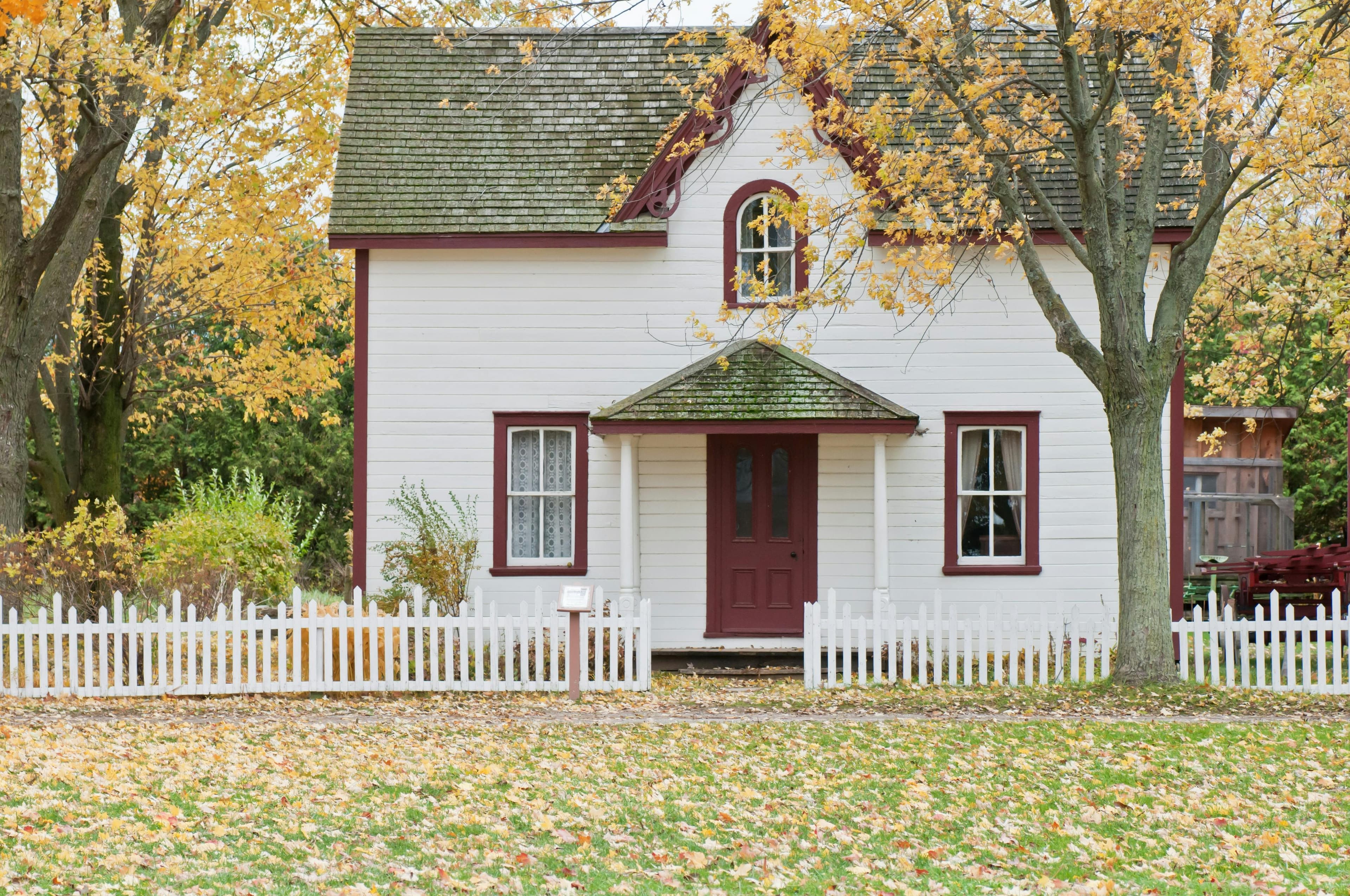
Buying your first home is one of the biggest financial decisions you'll ever make. It can feel overwhelming — the paperwork, the bidding, the endless open houses — but with the right preparation, you can navigate the process with confidence.
Here are five things I tell every first-time buyer who walks through my door.
1. Get Pre-Approved Before You Start Looking
Before you fall in love with a property, talk to a mortgage broker or your bank about getting pre-approved. A pre-approval does three things for you:
- Tells you exactly what you can afford so you don't waste time on properties outside your budget
- Gives you negotiating power because sellers know you're serious and financially qualified
- Locks in your rate for a set period, protecting you from rate increases while you search
A pre-approval isn't just a formality — it's your single biggest advantage as a buyer. Sellers take pre-approved offers far more seriously, especially in competitive markets.
2. Know Your Must-Haves vs. Nice-to-Haves
Make two lists before you start your search. This simple exercise will save you weeks of indecision:
Must-haves — the non-negotiables:
- Number of bedrooms and bathrooms
- Proximity to work or school
- Parking requirements
- Accessibility needs
Nice-to-haves — things you'd love but can live without:
- Finished basement
- Walk-in closet
- Specific neighbourhood
- Updated kitchen
3. Factor in All the Costs
The purchase price is just the beginning. Here's what to budget for:
- Closing costs typically run 1.5–4% of the purchase price
- Land transfer tax — first-time buyers in Ontario may qualify for a rebate of up to $4,000
- Home inspection fees usually run $400–$600
- Moving costs including movers, utility connections, and mail forwarding
- Emergency fund — set aside 1–3% of the home's value for unexpected repairs
I always tell my clients: budget for the house you can comfortably afford, not the maximum the bank will lend you.
4. Don't Skip the Home Inspection
A few hundred dollars for a professional inspection can save you tens of thousands in surprise repairs. A good inspector will examine:
- Structural integrity — foundation, load-bearing walls, and framing
- Roof condition — age, wear, and remaining lifespan
- Plumbing and electrical — code compliance and safety
- HVAC systems — efficiency, age, and maintenance history
- Water damage — signs of leaks, mould, or drainage issues
5. Work with a REALTOR® Who Knows Your Market
A local agent brings three things you can't get on your own:
- Neighbourhood knowledge — school rankings, future development plans, flood zones, and the things that don't show up in a listing
- Negotiation experience — knowing when to push, when to hold, and when to walk away
- Access to coming-soon listings — some of the best properties never make it to the public market
Buying your first home should be exciting, not stressful. With the right preparation and the right team beside you, it will be.
Ready to start your search? I'd love to help you find the right home. Reach out anytime — no pressure, just honest advice.